

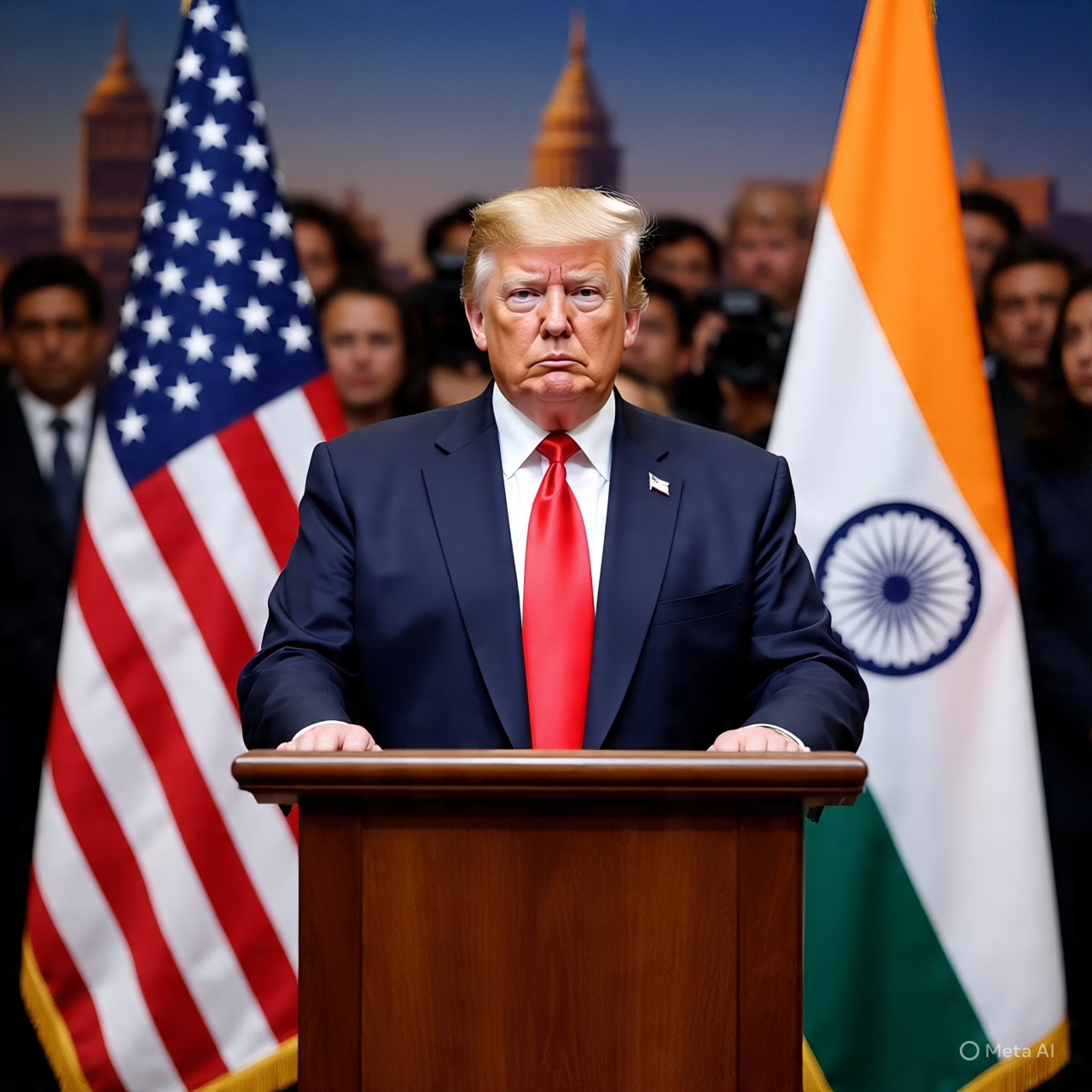
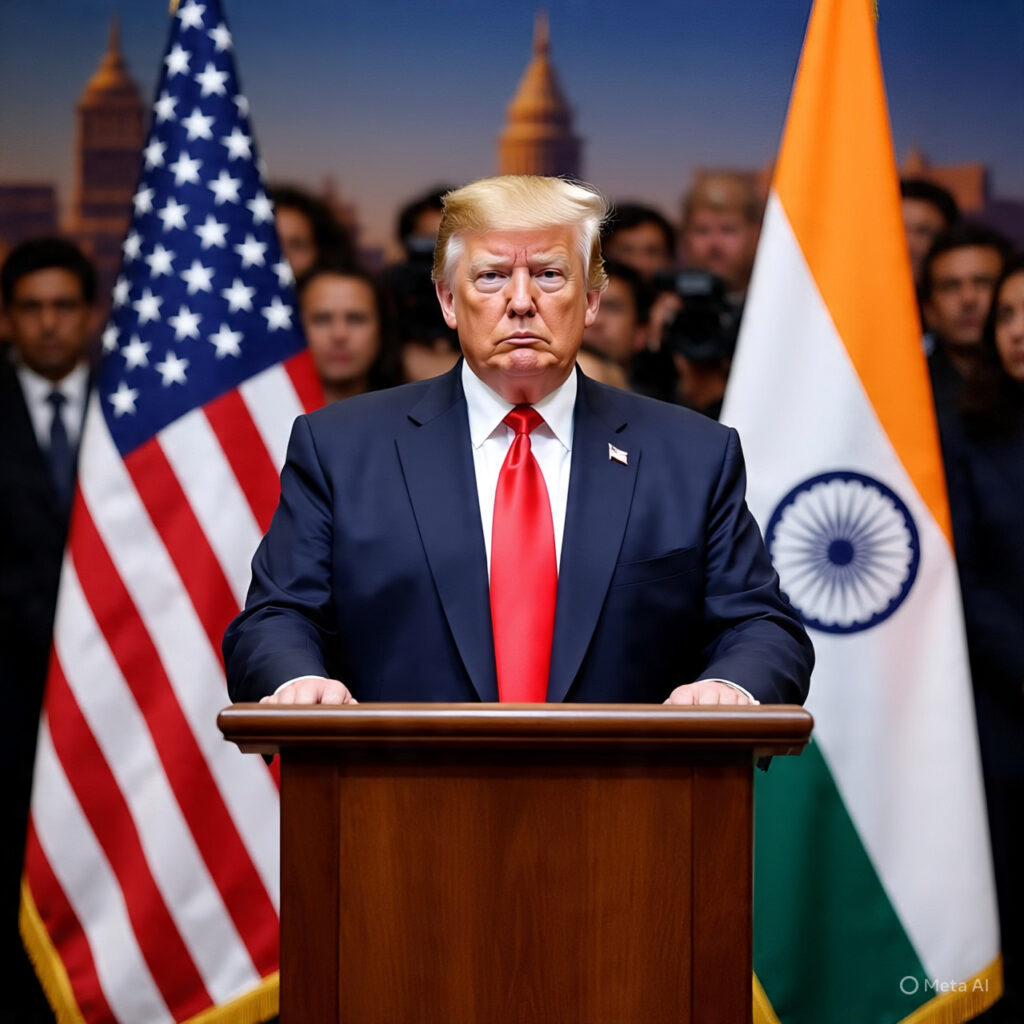
Washington, Dec 9 — President Donald Trump said Monday his administration is considering additional tariffs on Indian rice imports, citing claims of “dumping” by U.S. farmers who blame cheap foreign shipments for falling domestic prices. The remarks came amid a White House roundtable on farm subsidies, where Trump announced a $12 billion aid package for American growers.During the meeting, Trump questioned Treasury Secretary Scott Bessent, “Why is India allowed to do that (dump rice into the US)? They have to pay tariffs. Do they have an exemption on rice?” Bessent replied that negotiations on a trade deal were still ongoing, but Trump insisted the issue could be resolved “quickly with tariffs.” He also warned of possible duties on Canadian fertiliser to boost U.S. production.Trade ContextIndia exported about $391 million worth of rice to the U.S. in 2023‑24, roughly 3 % of its total rice shipments. However, Indian rice accounts for nearly 26 % of U.S. rice imports, making it a critical supplier for the American market. Analysts note that while a tariff would barely dent India’s overall exports—since most go to other countries—it could raise costs for U.S. households and hurt sectors reliant on basmati and non‑basmati varieties.Trump’s comments follow a 50 % tariff already imposed on Indian goods earlier this year, part of broader friction over trade barriers and India’s purchase of Russian oil. A U.S. delegation led by Deputy Trade Representative Rick Switzer is scheduled to visit New Delhi this week for further talks, though no breakthrough is expected.Market ReactionShares of major Indian exporters—LT Foods, KRBL and GRM Overseas—slumped up to 7 % after Trump’s warning. “The threat alone has rattled investors,” said Ajay Srivastava of the Global Trade Research Initiative. “New duties would scarcely affect Indian exporters, who have strong markets elsewhere, but would make rice costlier for American consumers.”Stakeholder VoicesFarm groups in states like Arkansas and Texas welcomed the proposed measures, arguing that cheap imports undercut domestic prices. In contrast, Indian officials remain hopeful for a resolution, with Commerce Secretary Rajesh Agarwal expressing optimism that a first tranche of a Bilateral Trade Agreement could be sealed this year.Trump’s administration has not confirmed the tariff rate or timeline, leaving the policy in a signalling phase. The move underscores the political pressure on the president to shore up his farmer base ahead of mid‑term elections, while also highlighting the fragile balance of U.S.–India trade relations.Sources: ¹ ² ³ ⁴