
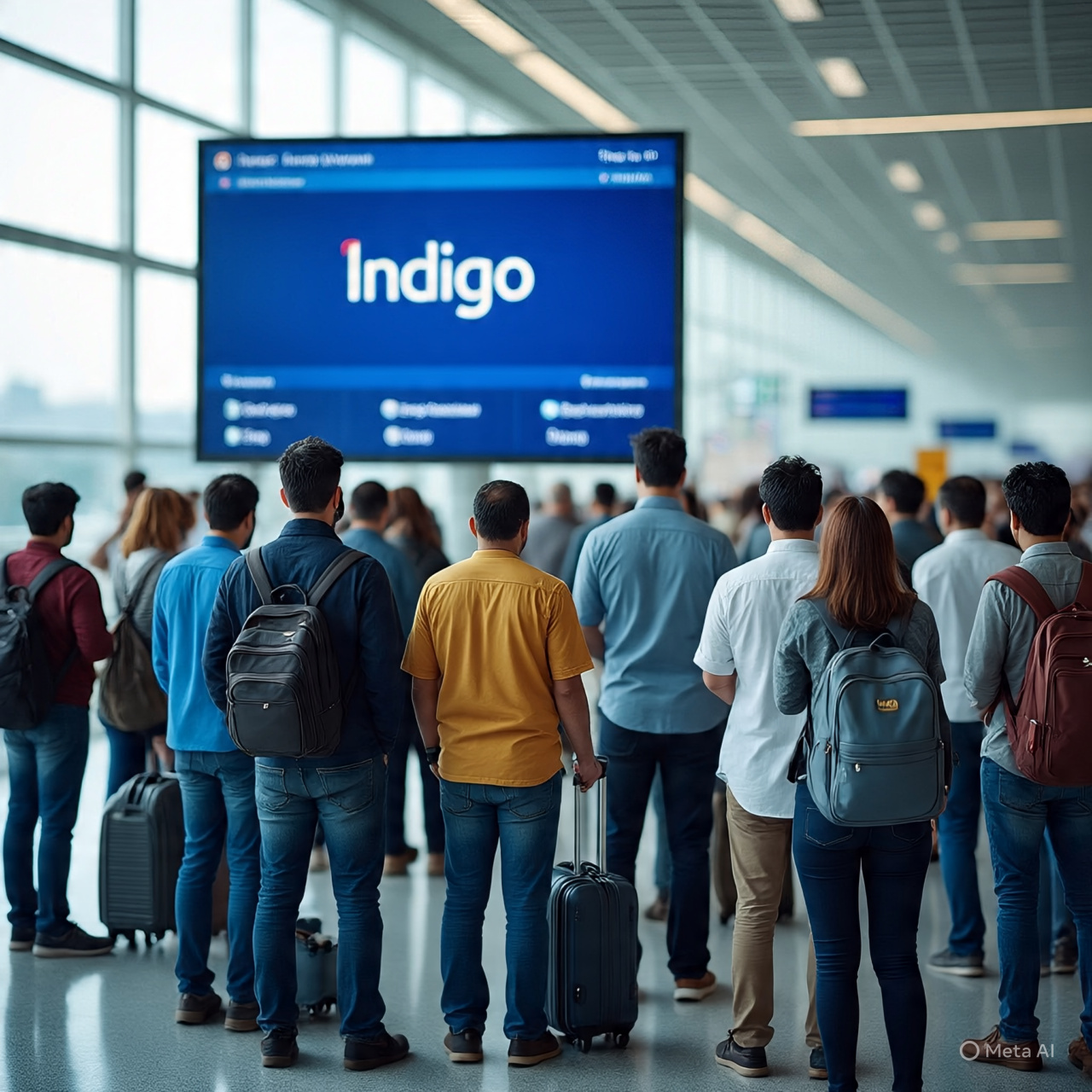
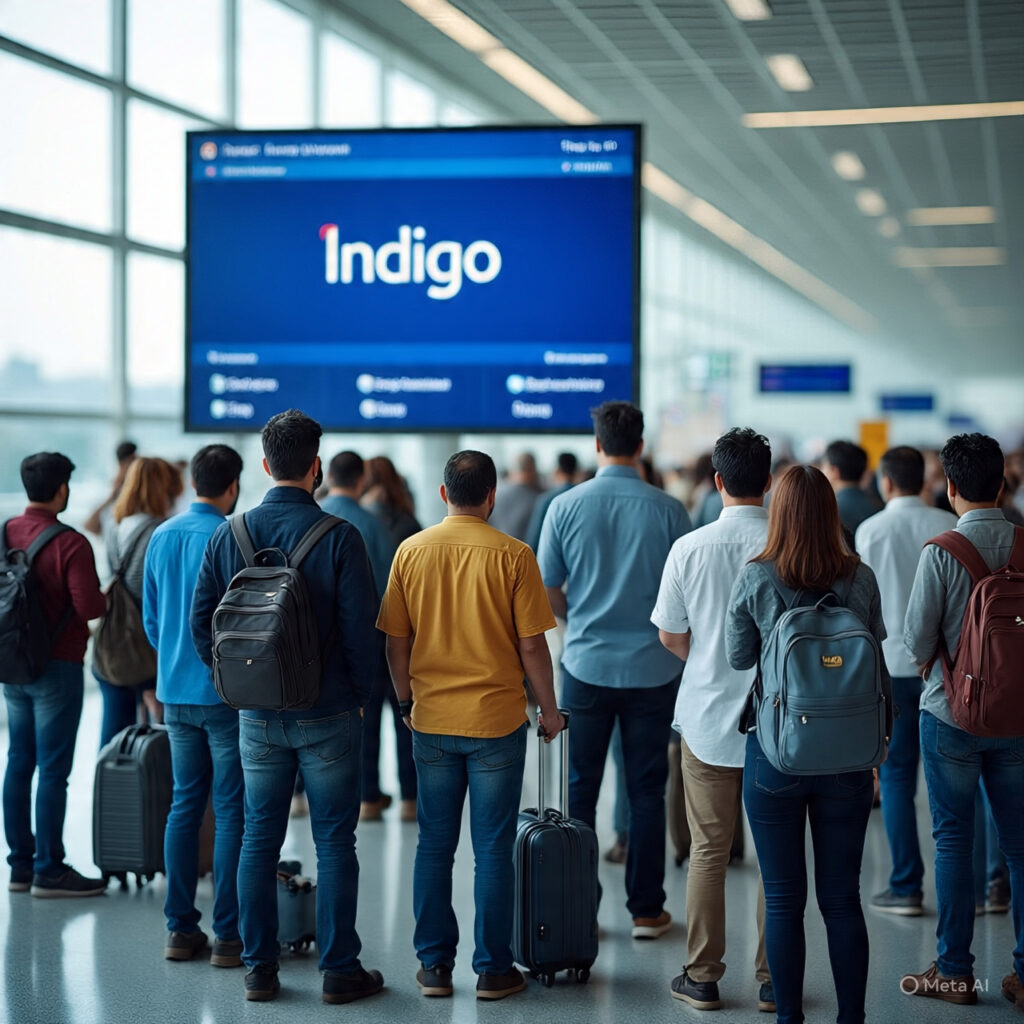
_New Delhi, December 9, 2025_ — The unprecedented wave of flight cancellations and delays that hit IndiGo, India’s largest carrier, in early December has ignited a fierce debate: Is the chaos simply a case of operational mismanagement, or is the conglomerate using the disruption as leverage to pressure the government into favourable aviation legislation?
What Happened
Between December 1‑7, IndiGo scrapped over 2,000 flights—roughly half of its daily schedule—after failing to adjust crew rosters to new Flight Duty Time Limitation (FDTL) rules that took effect on November 1. The new regulations mandate longer weekly rest periods and stricter limits on night landings. While competitors tweaked schedules months in advance, IndiGo reportedly froze hiring and did not revise its rostering system in time, leading to a cascade of cancellations, stranded passengers, and a backlog of more than 9,000 misplaced bags ¹ ².*Government Reaction*The Directorate General of Civil Aviation (DGCA) responded with a show‑cause notice, a 24‑hour deadline extension for a detailed response, and an order to cut IndiGo’s flight slots by 5 %—about 110 daily flights—to be redistributed to other carriers. The Ministry of Civil Aviation convened an emergency meeting with all airlines, announced fare caps, and demanded a refund of ₹827 crore for cancelled tickets. Minister K. Rammohan Naidu warned of “very, very strict action” and hinted that the crisis exposed systemic over‑dependence on a single carrier ³ ⁴ ⁵.*Mismanagement Angle*In its defence, IndiGo cited “compounding factors”—new FDTL rules, winter schedule changes, minor technical glitches, and airport congestion—as reasons for the meltdown. The airline’s CEO, Pieter Elbers, issued a video apology and pledged to stabilise operations by December 10, with automatic refunds and waived rescheduling fees. Yet, internal documents and anonymous executives quoted by Reuters suggest the carrier’s “lean manpower planning” and delayed implementation of the rest rules were the primary triggers ¹ ⁶.*Blackmail Theory*Opposition leaders and several analysts have floated a more strategic interpretation: that IndiGo’s deliberate disruption was meant to co‑force the government into softening the FDTL rollout or granting regulatory exemptions. The timing—just after the new rules took effect and amid a push for stricter safety standards—fuels speculation. Critics note the airline secured a two‑month exemption from certain pilot‑rest norms and a 5 % slot reduction reversal, suggesting possible quid‑pro quo dynamics. Global pilot union IFALPA warned that granting exemptions without scientific basis jeopardises safety, hinting at regulatory capture ⁷.*Industry Impact*The crisis has rattled confidence in India’s aviation ecosystem. With IndiGo holding 65 % market share, its failure cascaded across 150 airports, affecting weddings, holidays, and business travel. Rival carriers, though smaller, managed to adjust without massive disruptions, highlighting gaps in IndiGo’s preparedness. The DGCA’s move to reallocate slots and cap fares signals an intent to curb monopoly power and safeguard consumer rights ⁸ ⁴.*Conclusion*While the immediate cause appears rooted in operational mismanagement—insufficient crew planning and tardy compliance with FDTL norms—the scale of the fallout and the swift regulatory concessions have opened a narrative of corporate pressure tactics. Whether intentional blackmail or a costly lapse, the episode underscores the need for robust contingency frameworks and balanced competition in India’s fast‑growing aviation sector. The government’s ongoing probe and promised accountability measures will likely determine if the disruption was a preventable blunder or a calculated gamble with public safety at stake._Sources: ¹ ² ³ ⁴ ⁷ ⁵_