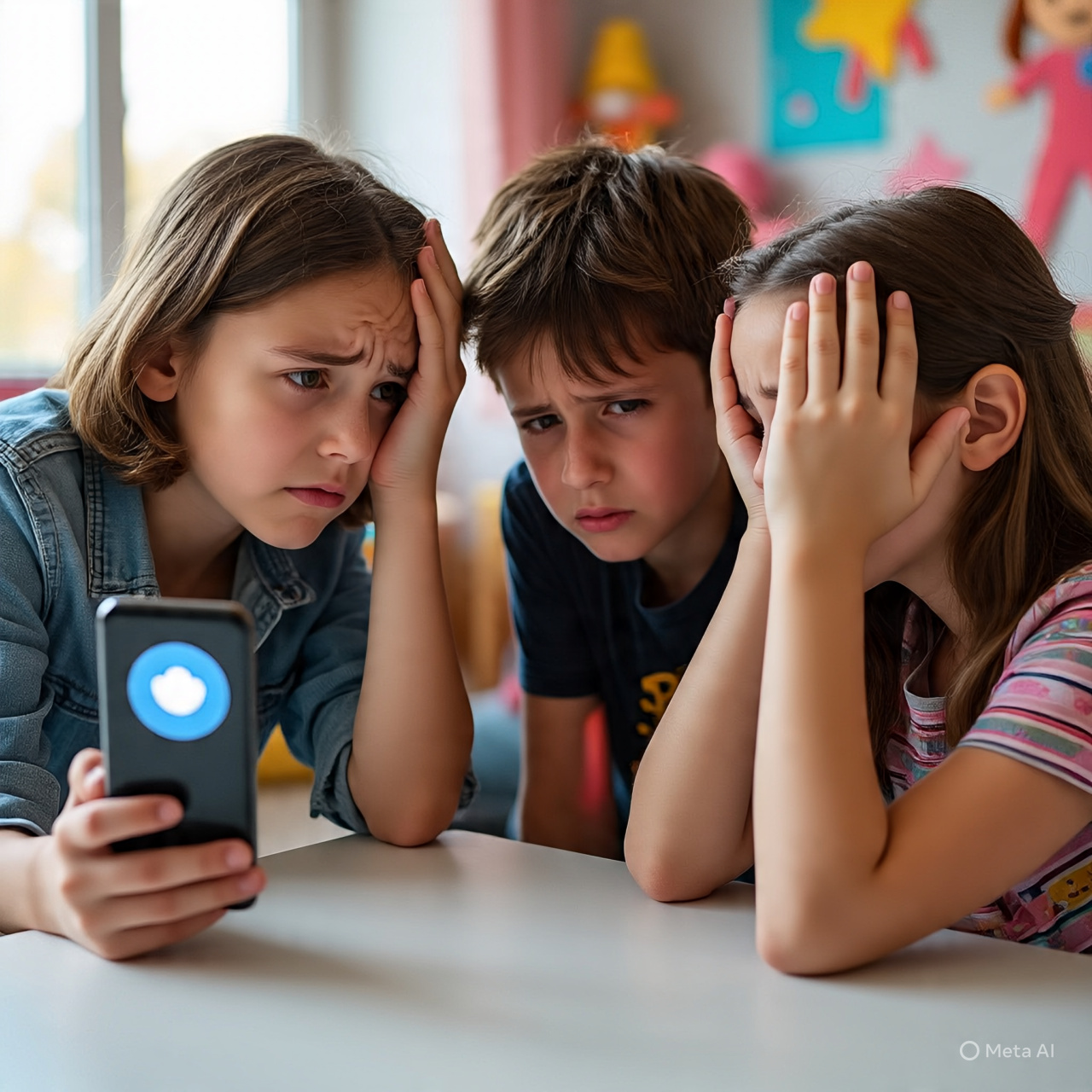
_Sydney, Dec 10 2025_ — From midnight tonight, Australia became the first nation to prohibit children under 16 from holding accounts on major social platforms, a sweeping move that has sparked both applause and fierce debate.Under the Online Safety Amendment (Social Media Minimum Age) Bill 2024, which took effect on Dec 10, ten platforms—Facebook, Instagram, TikTok, YouTube, Reddit, Snapchat, Threads, Twitch, X (formerly Twitter) and Kick—must block or deactivate accounts belonging to users younger than 16. Companies that fail to take “reasonable steps” face fines of up to A$49.5 million (US$33 million). The law was championed by Prime Minister Anthony Albanese, who described it as “a proud day for families” and an assertion that “kids have the right to be kids” without the pressures of algorithms and endless feeds .How the ban worksPlatforms are deploying a mix of age‑verification tools: AI‑driven age estimation from selfies (via firms like Yoti), inference based on usage patterns, and optional ID or bank‑account checks. Meta, for instance, has partnered with Yoti for selfie‑based verification on Instagram and Facebook, while Snapchat offers a “yes/no” age check through a linked Australian bank account or the k‑ID service. No government‑issued ID is required, and providers must offer a review process for disputed ages .Public reactionChild‑advocacy groups and many parents have welcomed the legislation, citing research linking heavy social‑media use to mental‑health issues, cyber‑bullying and harmful body‑image content. However, tech companies, free‑speech advocates, and a segment of youth argue the ban is overly blunt, risks pushing children onto less‑regulated platforms, and infringes on digital rights. Elon Musk’s X issued a statement confirming compliance, noting the rule is “not our choice — it’s what Australian law requires” .Teen voices captured ahead of the deadline reflected the divide. Fourteen‑year‑old Annie Wang warned, “It’s going to be worse for queer people and niche‑interest groups… some use it to vent and get help.” Others posted farewell messages like “#seeyouwhenim16” as their accounts were deactivated ⁷.Global ripple effectAustralia’s legislation is being watched worldwide. Countries such as Denmark, Malaysia, New Zealand and several EU members have signalled possible similar bans, while the European Parliament has called for a minimum age of 16 for social‑media access. Critics, including U.S. lawmakers and some libertarian groups, have raised concerns about censorship and the precedent it sets .What’s nextThe eSafety Commissioner will monitor compliance, collect data on under‑16 account removals, and assess the impact over the coming months. Researchers from Stanford’s Social Media Lab and Australian universities have been enlisted to study outcomes, with results expected to inform future policy both locally and abroad .In a video message, Albanese urged children to “start a new sport, pick up an instrument, or read that book on the shelf,” emphasizing offline alternatives during the summer break. As the ban rolls out, the world watches whether this bold experiment balances child safety with digital rights, or whether unintended workarounds—VPNs, alternative apps, or covert ID sharing—will undermine its intent.