
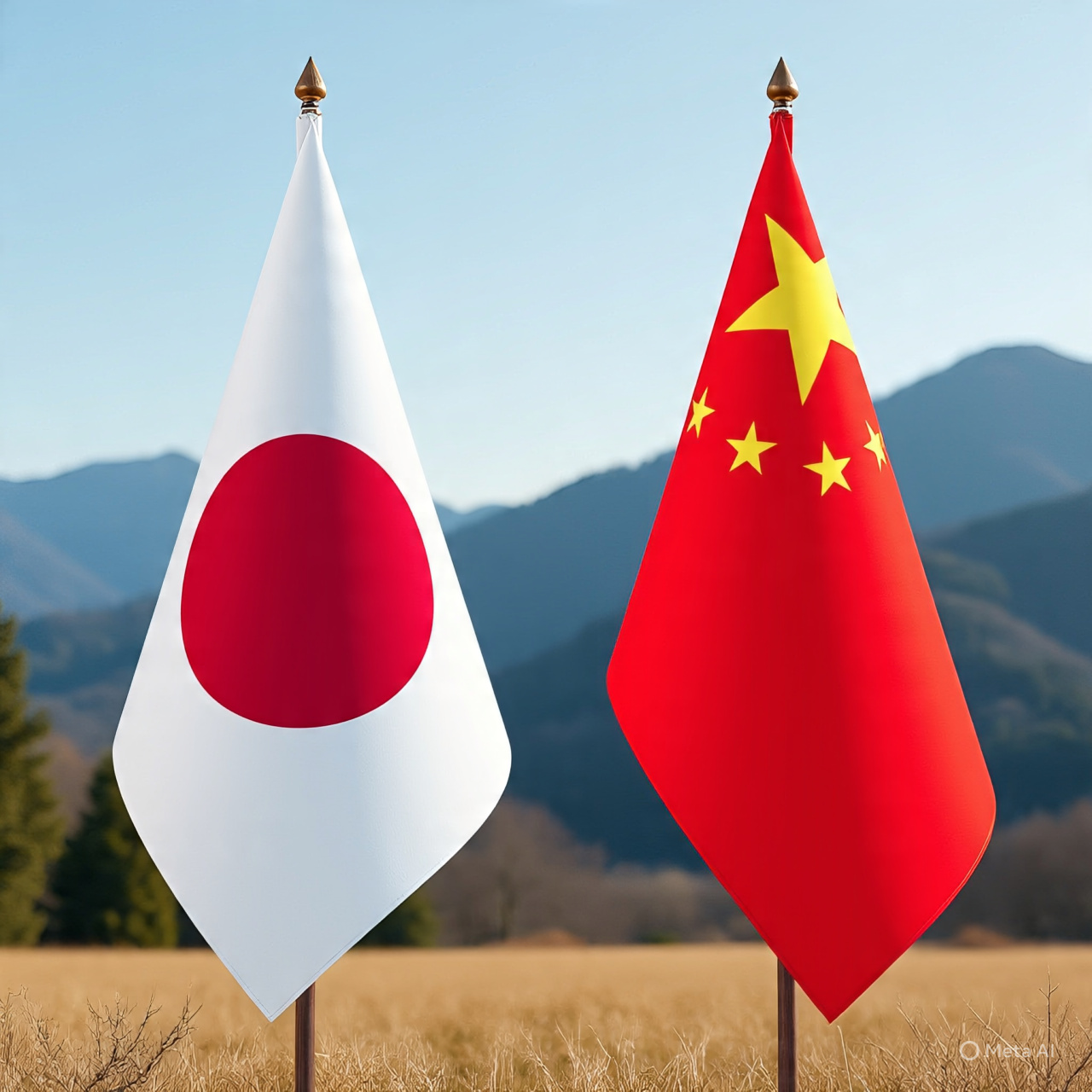
_Tokyo, December 9, 2025_ – As tensions flare along the Sino‑Indian Himalayan frontier and the East China Sea, Japanese security analysts say Tokyo is quietly studying India’s decade‑long experience handling Chinese aggression on the border. The lessons, they argue, could shape Japan’s own response to Beijing’s growing assertiveness near the Senkaku/Diaoyu islands and the Taiwan Strait.*What India’s Standoff Shows*Since the 2020 Galwan clash, India has been forced to defend a 3,488 km Line of Actual Control (LAC) while China repeatedly violated bilateral agreements (1993‑2013) meant to keep the status quo. Brahma Chellaney, writing in _The Japan Times_, points out that China’s “salami‑slicing” tactics—incremental encroachments below the war threshold—have turned the Himalayas into a testing ground for attrition warfare. India’s response has been largely defensive, with limited diplomatic push‑back and a focus on bolstering border infrastructure, rapid mobilisation of troops, and incremental confidence‑building measures (CBMs) such as corps‑commander talks. Yet, despite 18 rounds of negotiations, the stalemate persists, with over 100,000 troops stationed on both sides and new Chinese military installations sprouting across the frontier ¹.*Japanese Parallels*Japan faces a similar pattern in the East China Sea. Chinese coast‑guard vessels now make near‑daily incursions near the Senkaku Islands, while PLA aircraft lock radars on Japanese fighters—a recent incident involved J‑15 jets from the carrier *Liaoning* targeting Japanese F‑15s near Okinawa ². The Japanese government, under Prime Minister Sanae Takaichi, has accelerated its “missile archipelago” plan, deploying anti‑ship and anti‑air batteries across the Ryukyu chain, including the remote island of Yonaguni, just 110 km from Taiwan ³ ⁴.*Learning from India*Analysts cite three takeaways Tokyo is extracting from New Delhi:1. *Shift from Pure Defense to Proactive Deterrence* – India’s struggle shows that staying on the defensive only emboldens China. Japan is now coupling its Self‑Defense Force upgrades with overt deterrence messaging, such as the 2 % GDP defence spending pledge and joint exercises with the U.S. and Australia.2. *Infrastructure as a Force Multiplier* – India’s rapid construction of helipads, shelters, and supply routes along the LAC mirrors Japan’s push for radar towers, missile sites, and amphibious units on its southern islands. Both aim to reduce reaction time and increase survivability.3. *Diplomatic Signalling* – India’s use of high‑level diplomatic corridors (Quad, UNSC) to spotlight China’s “gray‑zone” aggression is being mirrored by Tokyo’s stronger alignment with Washington and Canberra, and its vocal protests at multilateral forums.*Strategic Risks*While borrowing tactics, Japan remains wary of escalation. Former Japanese lieutenant general Koichi Isobe warns that “salami slicing” could spill over into the Senkaku area, urging a calibrated mix of military readiness and diplomatic restraint ⁴. Moreover, China’s recent radar‑lock incidents and carrier‑group maneuvers near Okinawa underscore the fragility of current communication mechanisms, such as the Maritime and Aerial Communication Mechanism (MACM), which have yet to prevent dangerous near‑misses ⁵ ².*Outlook*Japanese officials stress that learning from India does not mean copying every measure. Instead, Tokyo seeks to blend India’s hard‑won experience in border management with its own technological edge—advanced missile systems, electronic warfare units, and a robust alliance network. The goal: deter Chinese expansionism without triggering an open conflict.As both nations navigate a precarious security environment, the shared lesson is clear—standing still invites more incursions; a balanced mix of deterrence, infrastructure, and calibrated diplomacy may be the most viable path to keep the peace._Sources: ¹ ³ ⁴ ⁵ ²_